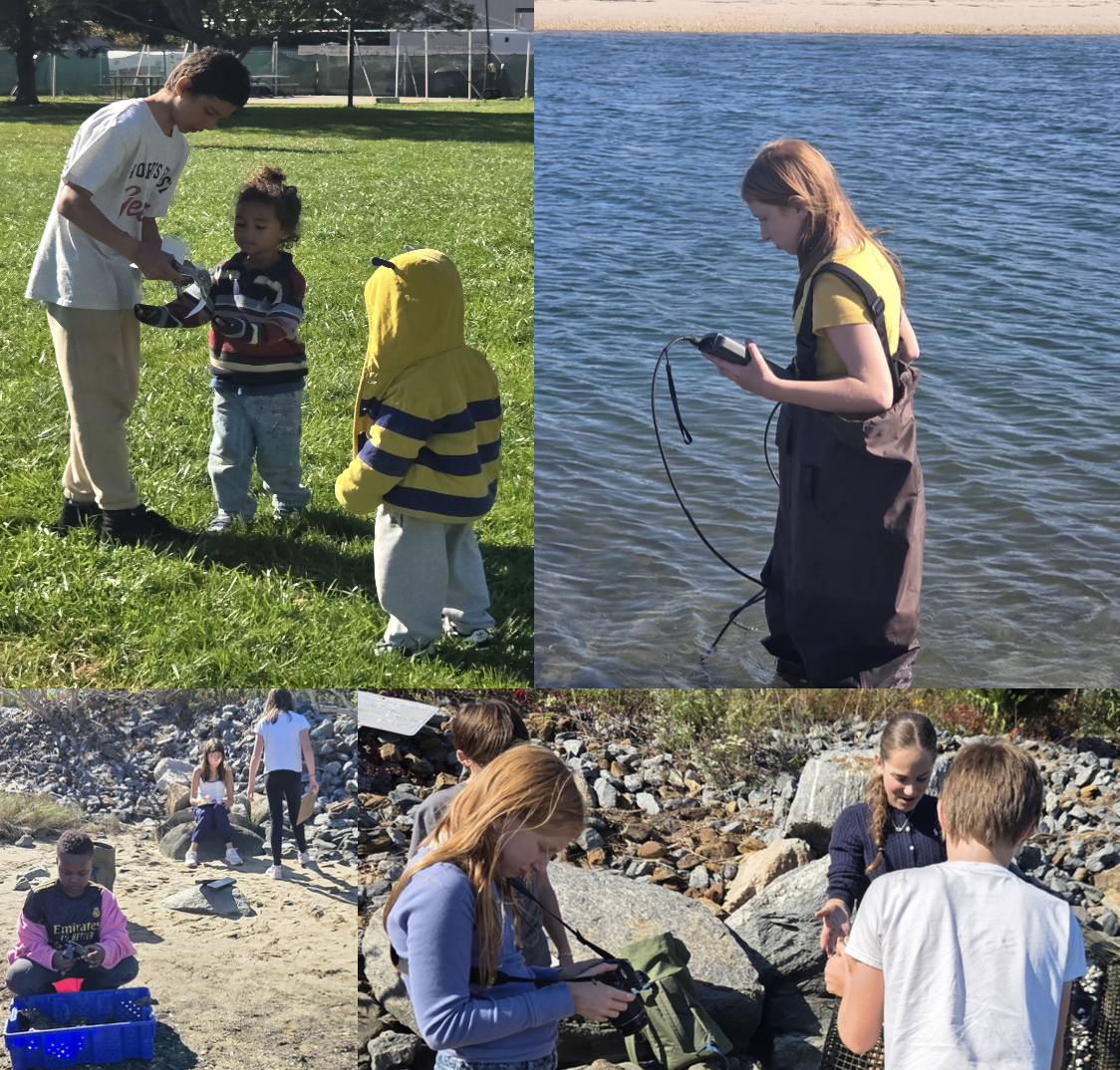
Science is generally structured around field time and laboratory time, while in the field we focus on collecting specimens for analysis back in the science room, water quality data, and sediment collection. So far, we have visited 6 different sites for collection which include Long Beach, the Oyster Garden, Mecox Bay, Atlantic Ocean, Trout Pond and Mill Creek where we collected data on water quality (Temperature, pH, Dissolved Oxygen, and Salinity) as well as surveyed plants, animals, and fungus in the areas.
Read MoreScience has been off to a great start so far, we have been reviewing classroom rules, laboratory safety, and working with some of the equipment we will be using throughout the year. We have started off with some different experiments using the scientific method; one experiment was to create a 30% solution of seawater and the other was to see if sterilized equipment benefits algae growth.
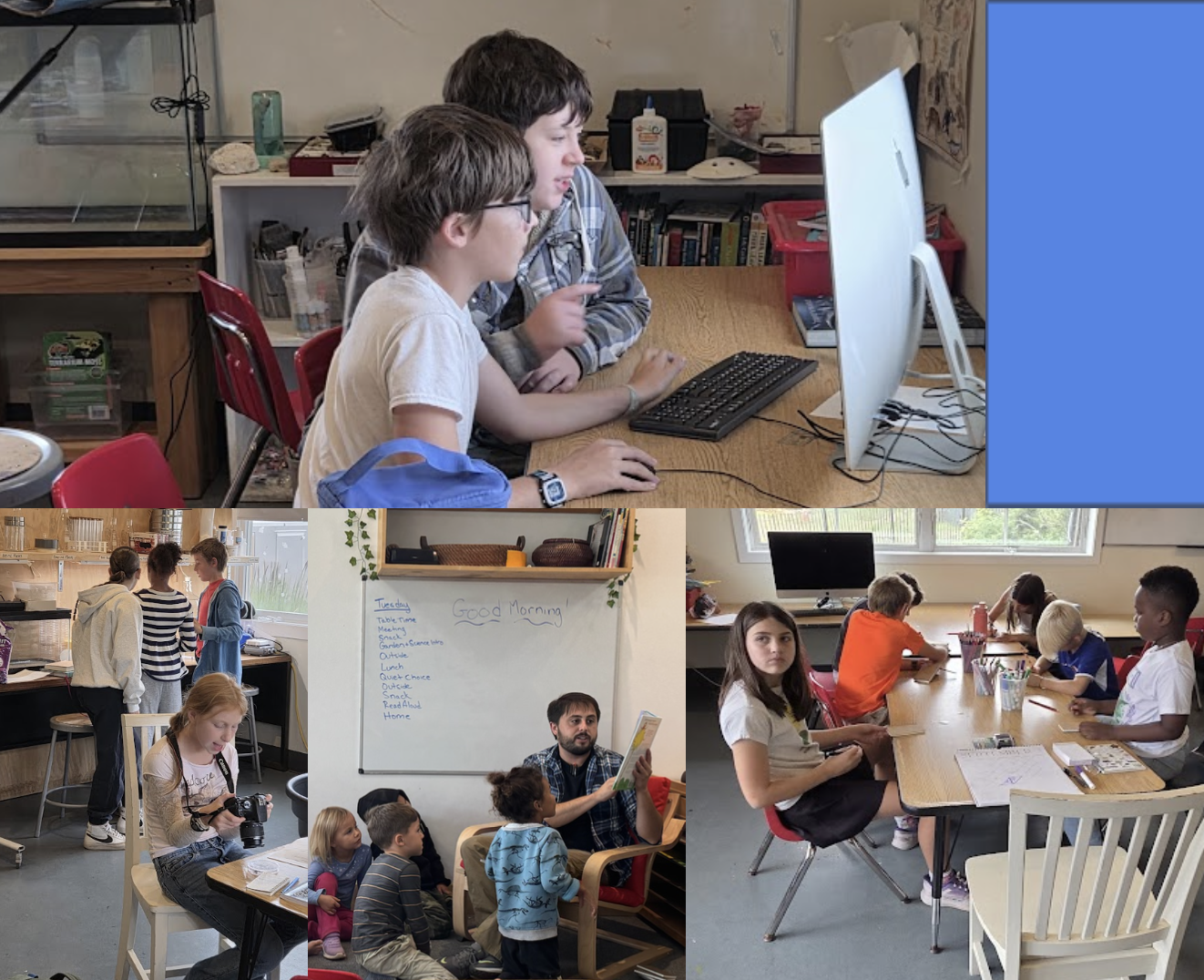
Read MoreSpring has finally sprung, and with that we have been hitting the ground running! Over the past few weeks we had some exciting trips and presentations.
Read MoreWith all of this snow, it has been challenging to get out into the field to continue our water quality monitoring program. It has been a good opportunity to explore the effects of climate change within the classroom and how it creates extreme weather conditions and can have an impact on temperature fluctuations. Students explored the polar vortex conditions that brought over 2 feet of snow to different areas around Long Island and we explored some of the different forecast models that are used to predict snow fall and other weather conditions.
Read More